
Two species.
One natural method.
Premium Robalo and Dourada, raised in their native estuary habitat in Portugal's Algarve. We work with nature, not against it.
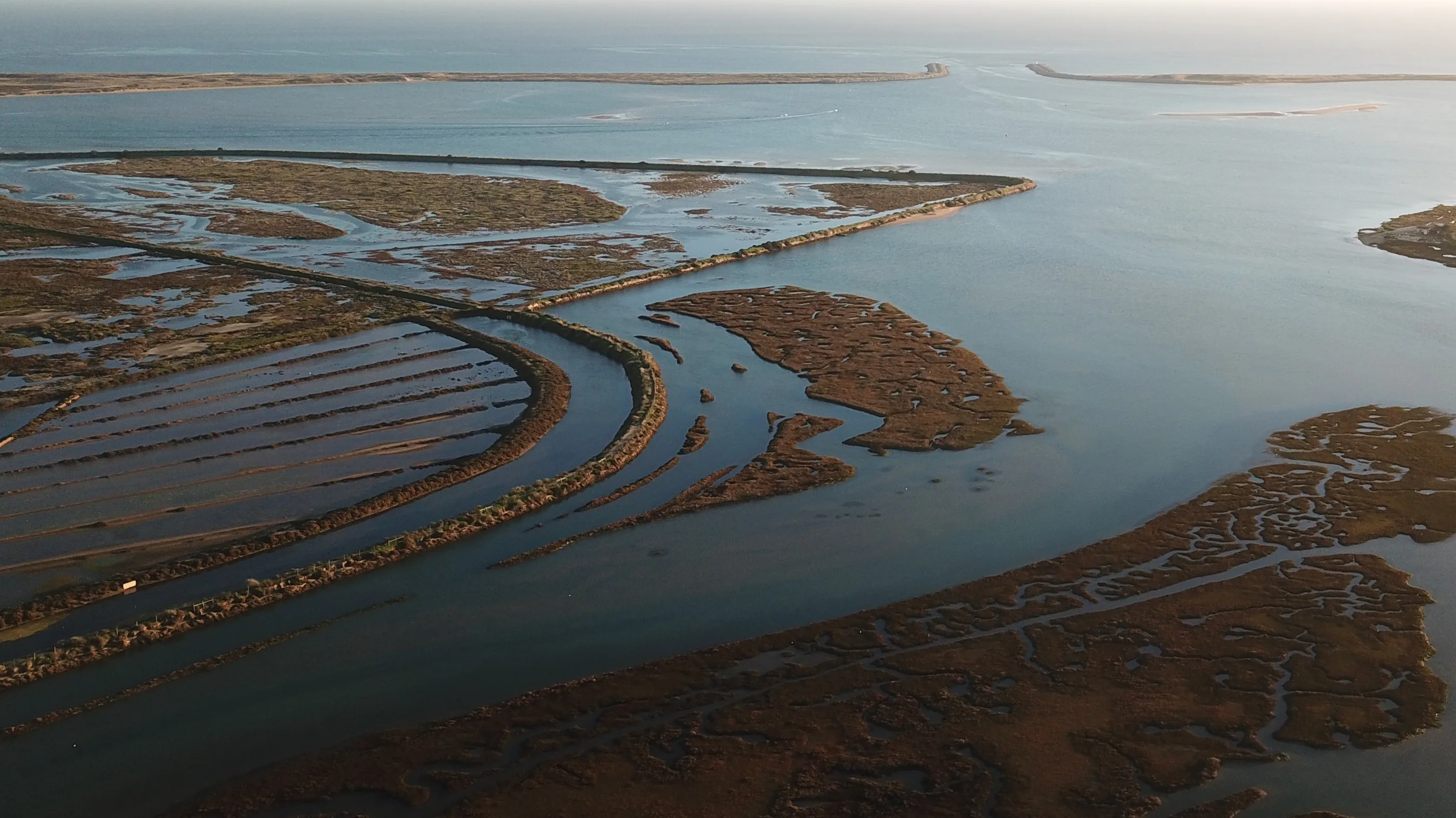
Mediterranean fish at their best.
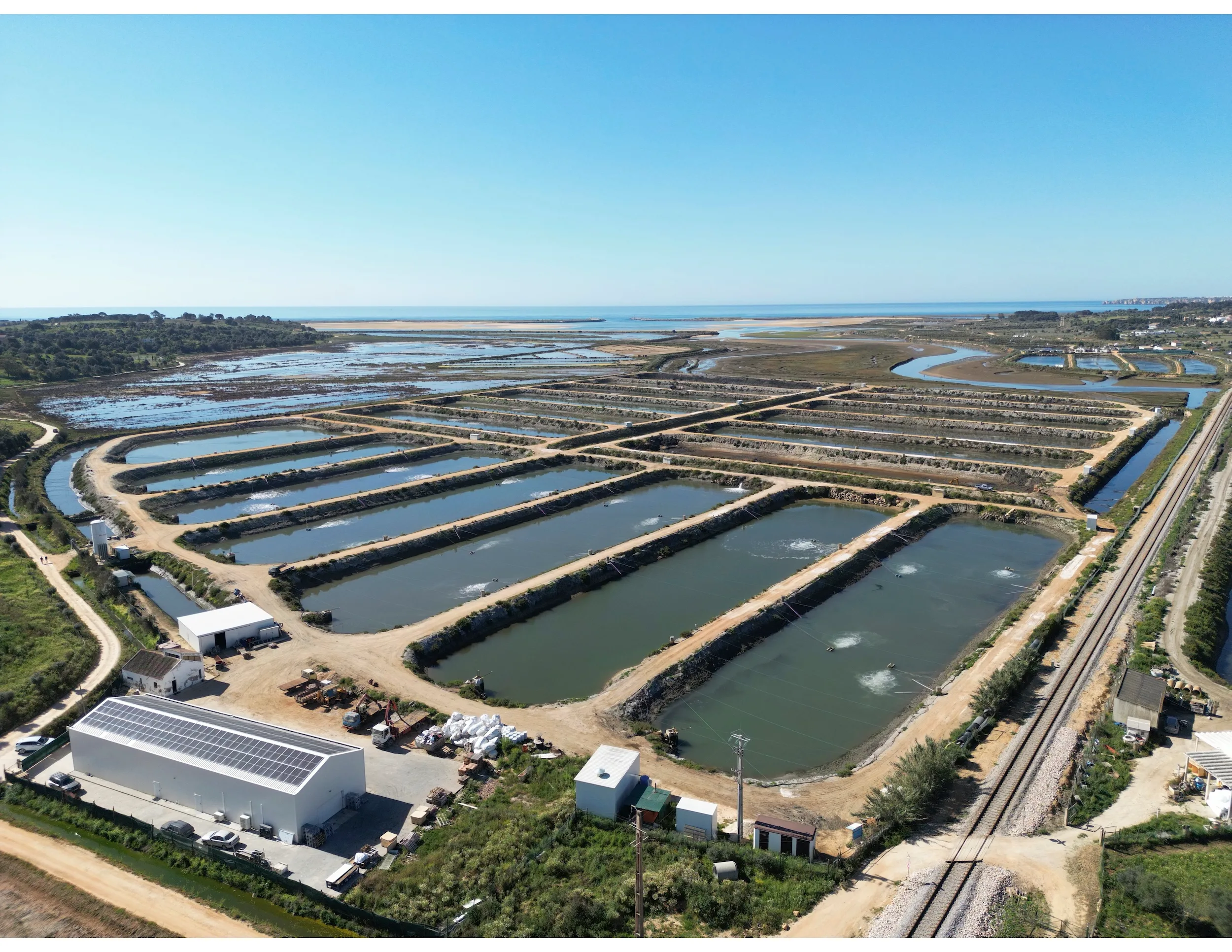
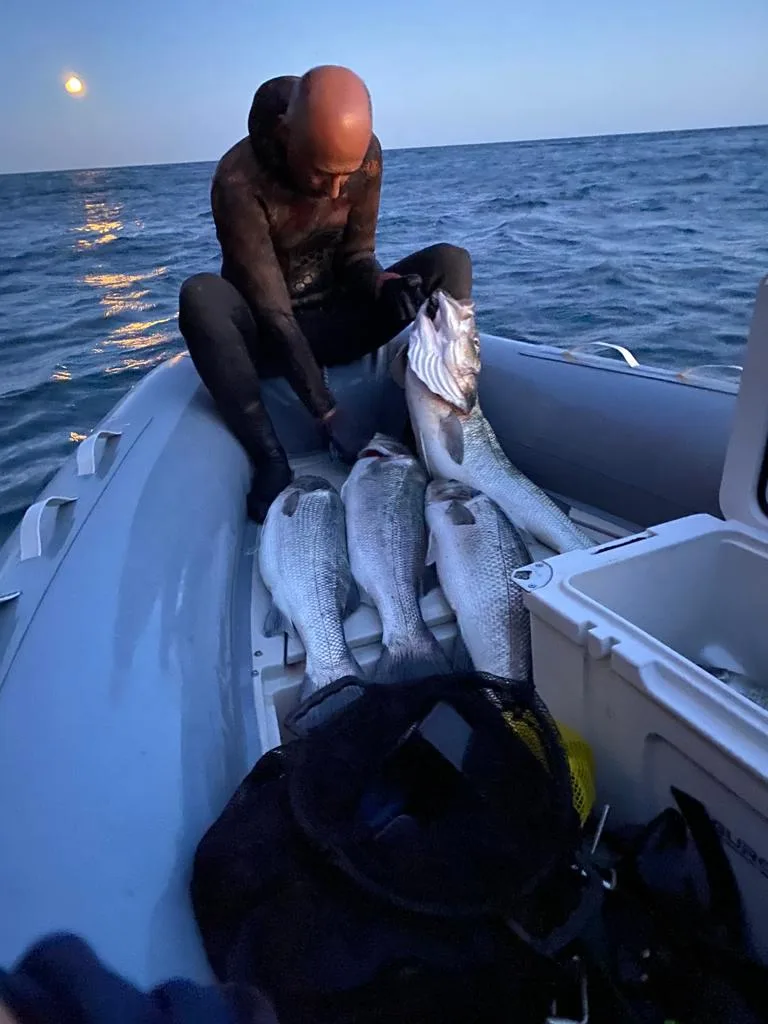
We farm two species that live wild in our estuaries. Our fish live happy and look and taste like their wild cousins that live on the other side of our pond gates.
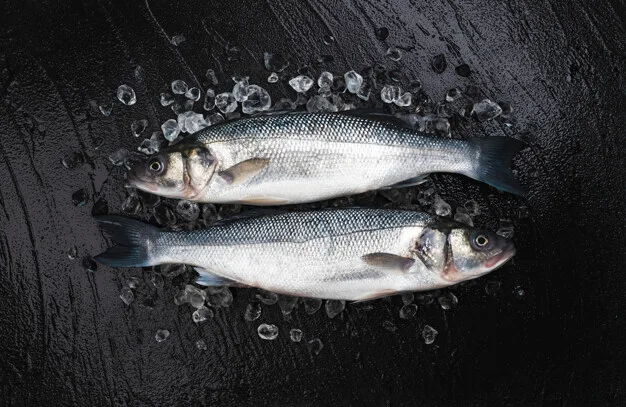
European Seabass
Dicentrarchus labrax · Robalo
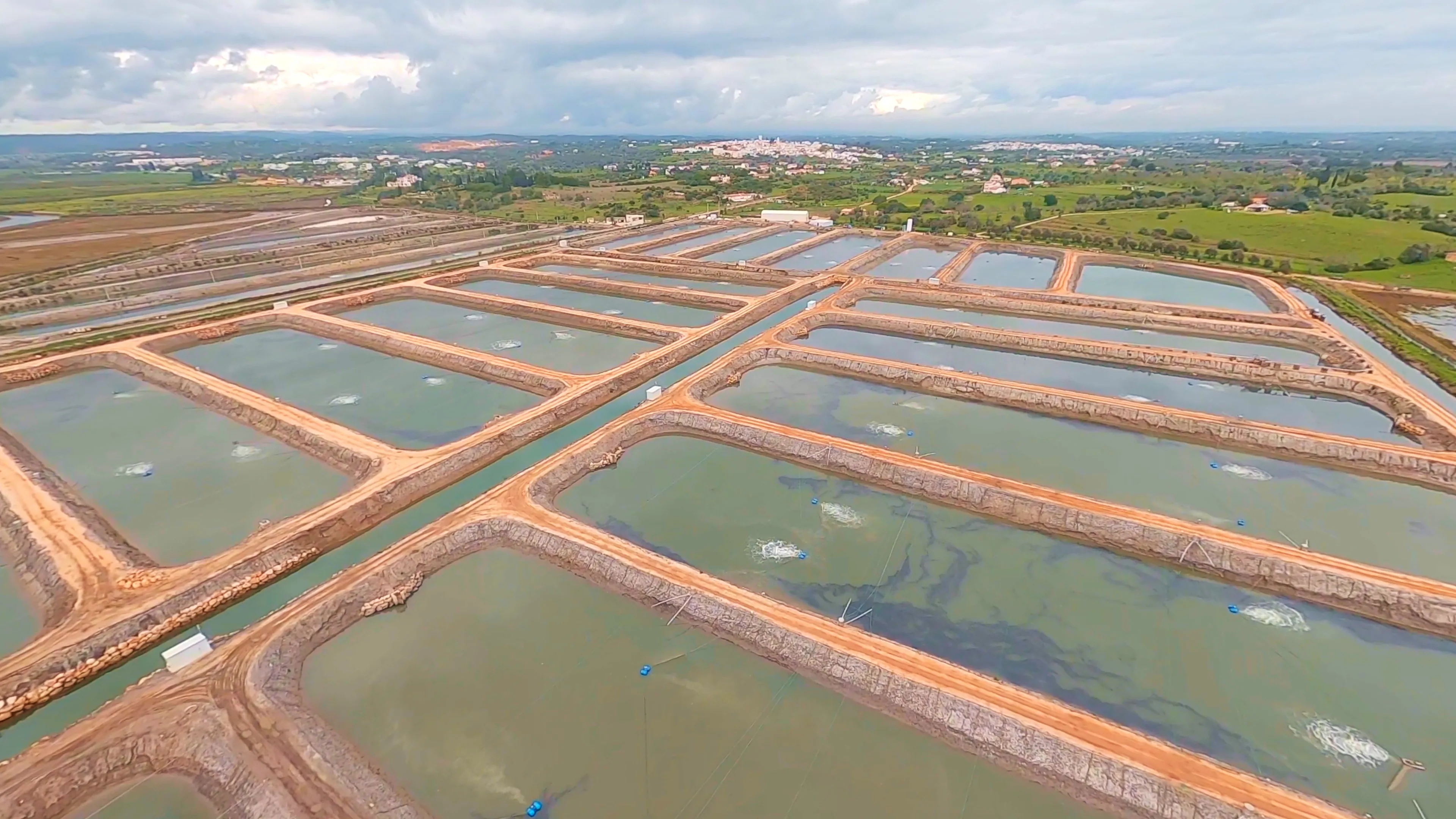
Our Robalo is raised in low-density ponds within the Ria de Alvor and Rio Arade, fed naturally through tidal exchange and supplemented with cereals and fish oils. The result is a firmer-fleshed, cleaner-tasting fish that holds up beautifully on the plate — the seabass chefs ask for by name.
Available year-round in multiple size grades for wholesale and restaurant supply.
- Habitat
- Estuary ponds at natural Mediterranean salinity and temperature.
- Diet
- Natural tidal feed supplemented with cereals and fish oils — no dependence on industrial feed.
- Texture & flavor
- Firmer flesh and a cleaner finish than cage-farmed equivalents.
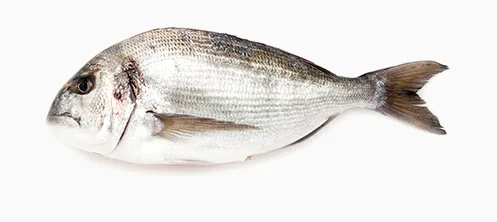
Gilthead Seabream
Sparus aurata · Dourada
Our Dourada lives the way wild seabream do: in tidal estuaries, at low densities, foraging and socializing to the rhythm of the tides. Slower-grown and less stressed, our seabream offer the rich, mineral flavor and silky texture, much appreciated by those who know fish.
Sized and packed to spec for restaurants, distributors, and retail.
- Habitat
- The same estuarine waters wild Sparus aurata inhabit along the Iberian coast.
- Diet
- Tidal-borne natural feed, supplemented with cereals and fish oils.
- Texture & flavor
- Silky texture and a deeper, more mineral flavor profile.
Estuary-farmed vs cage-farmed.
Most farmed seabass and seabream on the market comes from high-density offshore cages — not the natural habitat for either species. Those fish are crowded, fed exclusively on artificial feed, and grown rapidly in warmer waters.
Our fish swim freely in their native estuaries at much lower densities, feeding naturally with the tides. The distinction is similar to free-range vs. battery chicken, or grass-fed vs. feedlot beef.
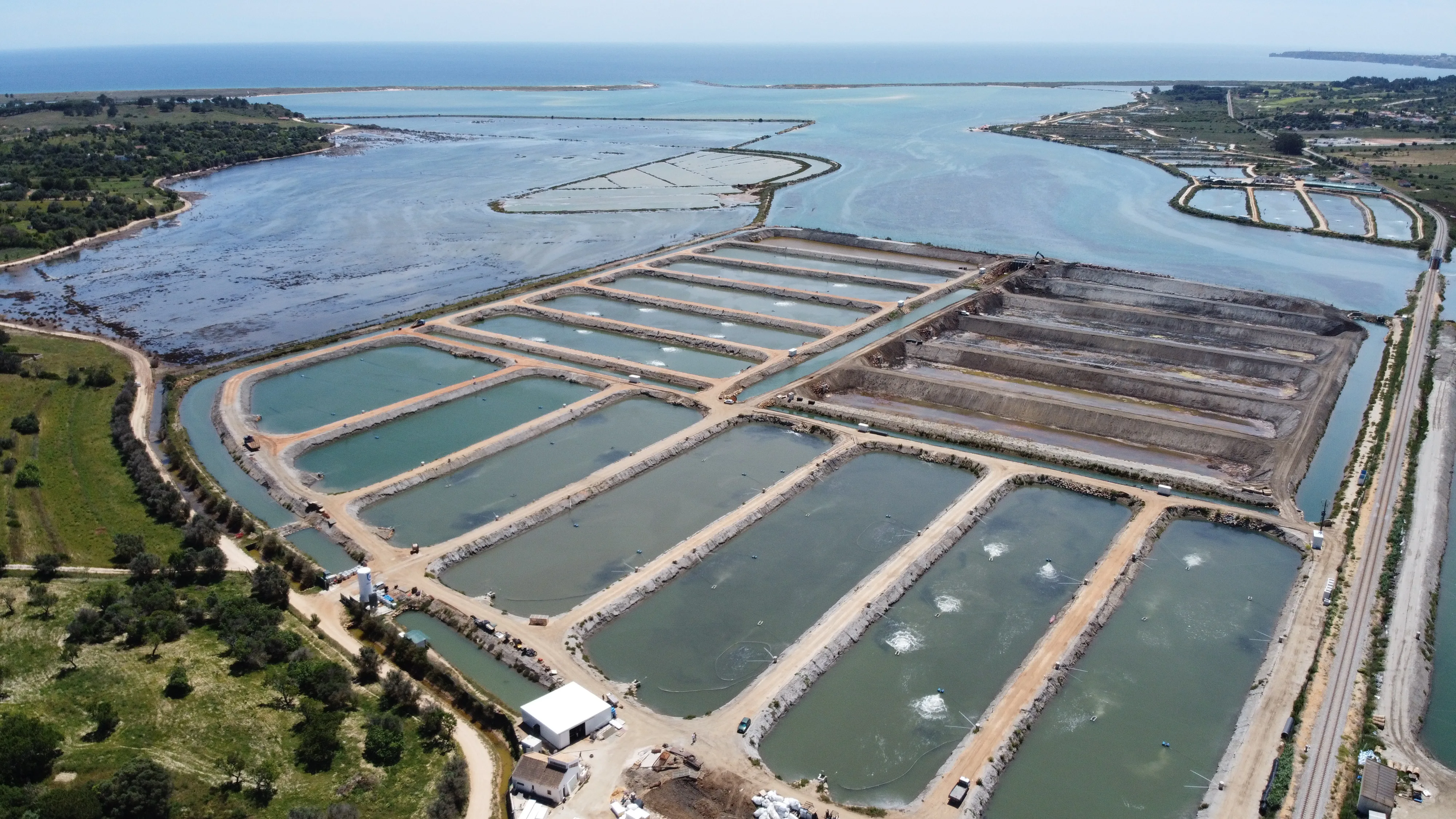
The numbers behind the method.
Combined annual production.
Across two estuary farms.
Of low-density farming area.
Water renovation through tidal exchange.
Ria de Alvor & Rio Arade.
Request a quote.
Tell us your volumes, sizes, and delivery destination. We'll come back to you with pricing and availability.
- Two speciesEuropean Seabass & Gilthead Seabream, year-round.
- Multiple size gradesSized and packed to your spec for wholesale, retail, or restaurant supply.
- Portugal · EU · Middle EastCold-chain delivery from the Algarve.